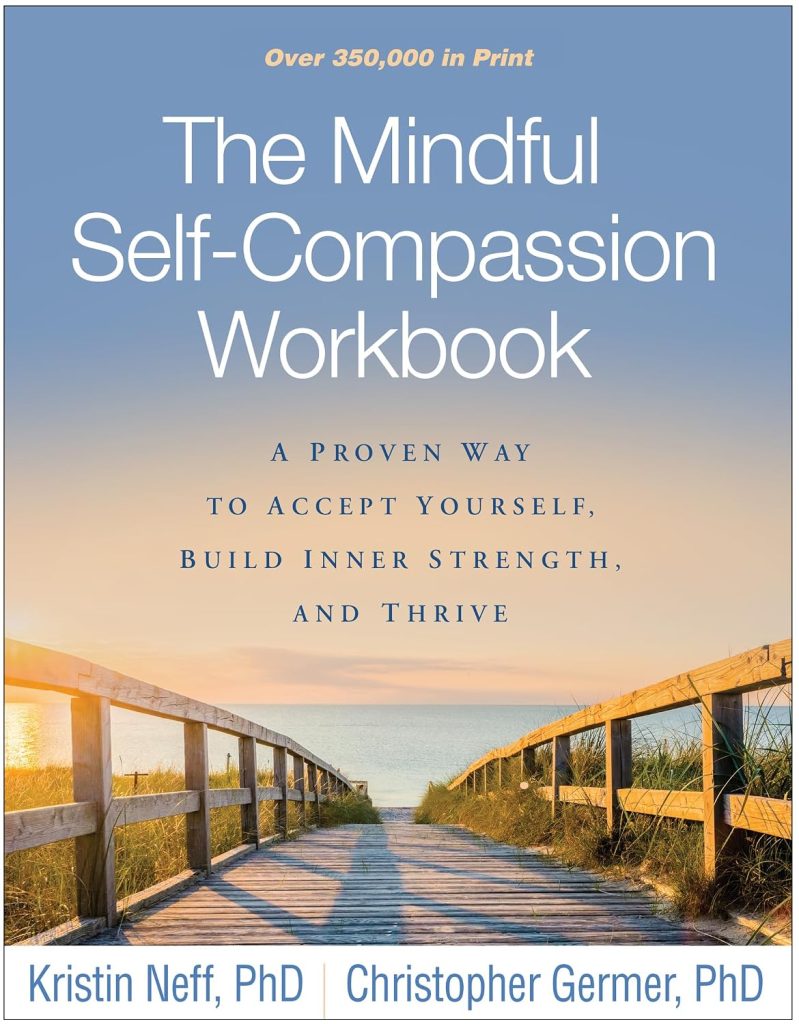
Mindful Self Compassion
What is Mindful Self Compassion?
Self-compassion involves responding in the same supportive and understanding way you would with a good friend when you have a difficult time, fail, or notice something you don’t like about yourself. There are three elements that comprise self-compassion:
Mindfulness vs. Over-Identification
This is central to self-compassion and provides the awareness needed to be with ourselves as we are and to validate our pain. It’s a balanced state that steers clear of two common reactions to suffering: avoidance and over-identification.
Common Humanity vs. Isolation
Common humanity involves recognizing that suffering and personal inadequacy are part of the shared human experience – something that we all go through rather than being something that happens to “me” alone.
Self-Kindness vs. Self-Judgment
The element of kindness at the core of self-compassion entails being warm and understanding toward ourselves when we suffer, fail, or feel inadequate, rather than ignoring our pain or punishing ourselves with self-criticism.
Self-Compassion and Grief
Why is this so hard for me?
I should be able to manage?
I need to deal with my anger?
I need to deal with my life anniversaries.
As human beings, we often judge ourselves harshly, even in the aftermath of profound loss. Instead of kindness, we offer ourselves criticism. We think this will somehow enable us to cope with the burdens of the grief. Conversely, it prevents us from overcoming the grief.
Research in mindful self-compassion indicates that self-compassion elevates our ability towards emotional healing and well-being. Mindful self-compassion serves as an appropriate self-care effort for addressing the thoughts and feelings that arise in the grieving process.
How to Practice Mindful Self-Compassion
- Practice mindfulness
Pay attention to the present moment. Notice your thoughts and feelings without judging them. Simple activities like focusing on your breath or doing a body scan can help you cultivate awareness.
2. Recognize your common humanity.
Reflect on a difficult moment you’ve gone through and then consider how others might have felt in similar situations. Zooming out and seeing your experience from a different perspective fosters a sense of connection and shared human experience.
3. Speak to yourself as you would a friend
Treat yourself as you would treat a good friend. Use encouraging words and be understanding of what your needs are at the moment.
- Respond to challenges with compassion
Try changing how you react to your own mistakes and setbacks. When things don’t go as planned, respond with understanding and kindness instead of being hard on yourself. It’s about acknowledging that not everything will always go perfectly—and that’s okay.
- Practice self-soothing
Self-soothing is about comforting yourself physically and emotionally. It’s a way to show kindness and care for your own body and mind, especially during stressful times.
You practice self-soothing through gentle activities that make you feel relaxed and cared for—like taking a warm bath, listening to soothing music, or going for a leisurely walk.
Another form of self-soothing is compassionate self-touch, such as placing a hand over your heart or giving yourself a gentle hug. These physical gestures can have a powerful calming effect, helping to reduce stress and promote feelings of safety and comfort.